Untangling Chore Chaos with Causal Loops

Join us in using causal loop diagrams to untangle household chore bottlenecks, turning vague frustrations into visible relationships between habits, motivation, time, and clutter. We will map reinforcing spirals, calming balances, and sneaky delays, then run tiny, respectful experiments. Expect clear language, warm stories from real homes, and practical steps your family can try tonight—plus prompts to share your sketches, swap ideas, and build a kinder, smarter rhythm together.
From Piles to Patterns
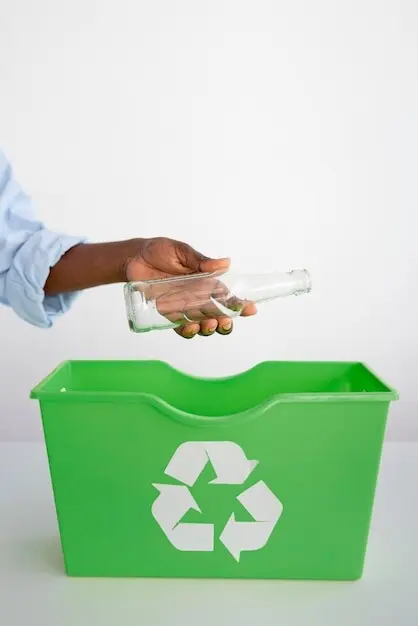
A messy counter looks like a single problem, yet it reflects patterns linking dishes, meal timing, fatigue, and decisions about leftovers. Each choice nudges the next, often amplifying itself. Seeing the pattern lets you reduce decision friction, set friendlier thresholds, and make progress visible. Suddenly, the pile is not personal failure; it is a predictable system result that you can redirect through gentler pacing, smarter handoffs, and well-timed pauses that protect energy.
Reinforcing and Balancing at Home

Reinforcing loops snowball: skipped tidying increases clutter, which saps mood, which reduces tidying further. Balancing loops stabilize: a nightly reset caps mess growth, protecting morning momentum. Both operate simultaneously, yet the reinforcing often shouts louder because it grows fast and feels urgent. Naming both types helps you amplify stabilizers—like simple closing rituals—and dampen the snowballs by inserting small buffers, clearer cues, or brief resets that keep everything within manageable bounds without heroics.
The Trouble with Delays

Delays hide progress. You might reorganize the pantry, but benefit appears after several stress-free dinners, not instantly. That lag invites doubt and abandonment just before results arrive. Causal loop diagrams place delays on the arrows, reminding everyone to wait and measure fairly. Paired with check-ins and tiny metrics, delays become part of the plan, reducing emotional whiplash and making room for sustainable habits that gradually outcompete panic cleaning and last-minute scrambles.
Sketching Your First Household Loop
You do not need artistic skill to map a powerful loop—only honest variables and clear arrows. Start with two or three observable factors, like visible clutter, available energy after work, and time-to-start. Connect them with plus or minus signs indicating how one changes the other. Add delays where effects arrive later. Keep sentences short, variables measurable, and language kind. The sketch will immediately reveal leverage, bottlenecks, and surprisingly compassionate explanations for repeated stumbles.

Stories from Real Kitchens and Laundry Rooms
Across many homes, similar feedback repeats with different flavors. One parent found that late dinners shifted dishes past a practical start time, quietly seeding a reinforcing mess cycle. Another learned that a Saturday laundry avalanche overwhelmed folding capacity, collapsing a week of good intentions. By mapping emotions, time windows, and simple thresholds, they uncovered leverage points—earlier prep cues, cheerful timers, and gentle handoffs—that reduced friction and built a steady rhythm the whole household trusted.
Turning Diagrams into Gentle Experiments
A diagram earns value when it guides action. Instead of sweeping reforms, try one measured change aimed at a specific loop, maintain it for a set window, and review together. Define simple signals, like sink line crossings or minutes-to-start, and collect them without judgment. If an experiment fails, treat it as data and revise the map, not character. Gradually, you will assemble a toolkit of reliable nudges, ready for stressful seasons and surprises.
One Change, One Loop, One Week
Resist stacking interventions. Choose the most influential link and design a tiny nudge, such as a pre-dinner reset timer or a five-item folding rule. Run it for one week and watch the loop’s behavior. Did the reinforcing growth slow? Did the balancing routine gain traction? Keep notes where everyone can see progress. Ending the week, decide to continue, tweak, or retire, learning faster than broad overhauls that drain goodwill and hide clear signals.
Define Signals, Not Blame
Agree on what counts as movement: fewer sink overflows, shorter start delays, or calmer bedtime transitions. Signals should be observable and easy to track during busy evenings. Avoid blame by focusing on pattern shifts rather than individual slipups. Celebrate any improvement, even if uneven. If stress spikes from external events, note it on the chart to preserve context. This approach reinforces psychological safety, making future experiments smoother and collaboration more enthusiastic and resilient.


Family Workshop: Mapping Together Without Arguments
A shared map builds shared ownership. Create a gentle setting with snacks, open seating, and a clear promise: we are mapping patterns, not personalities. Start with successes to reduce defensiveness, then capture observable events before abstract feelings. Let children rename loops with playful titles. Rotate the marker so no one dominates. Close by choosing one small experiment and a review date. The process teaches empathy, makes bottlenecks discussable, and turns chores into collective craftsmanship.
Common Pitfalls and How to Avoid Them

Too Many Variables, Too Soon
Ambition often creates spaghetti diagrams that nobody trusts. Cap initial variables to five, run a small experiment, and prune aggressively. If a variable has no actionable leverage or clear signal, park it for later. Simplicity helps you detect cause and effect cleanly. As confidence grows, you can add nuance without losing the thread. This discipline separates useful maps from artistic clutter, making it easier to coordinate, delegate, and adjust under everyday pressure.
Confusing Correlation and Causation
Dishes might appear lower on sunny days, but sunshine is not washing plates. Before linking variables, ask what mechanism connects them. If no plausible story exists, keep the relationship tentative. Test with deliberate experiments: shift one input and observe the output for a week. Label speculative arrows differently until validated. This rigor keeps the model honest, prevents magical thinking, and ensures your best energy goes into links that genuinely change household outcomes.
Forgetting Emotions and Energy
Systems thinking is not only about objects; it is also about moods, pride, and recovery time. Add variables for decision fatigue, bedtime serenity, and visible appreciation. A thank-you note can reinforce desired behavior better than stricter rules. Energy acts like inventory for attention—track it respectfully. When you map emotions, interventions become lighter, kinder, and surprisingly effective, because they acknowledge the human currents steering every routine, from laundry sorting to late-night snack cleanups.
All Rights Reserved.